What Is Infill, And Why Is It Mandatory For A Long-lasting Lawn?
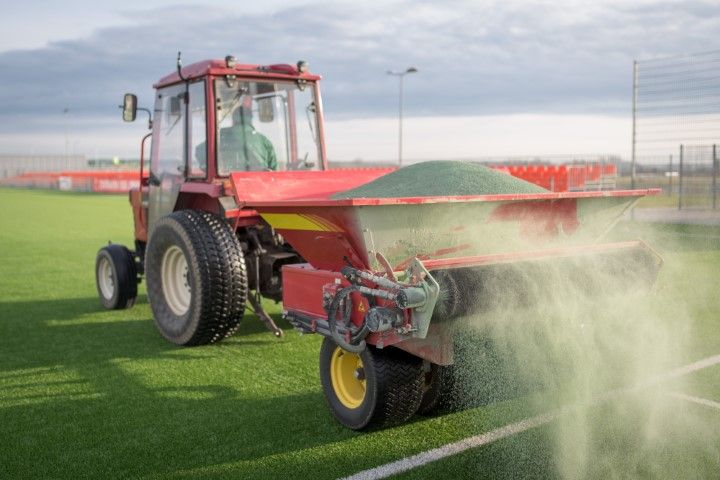
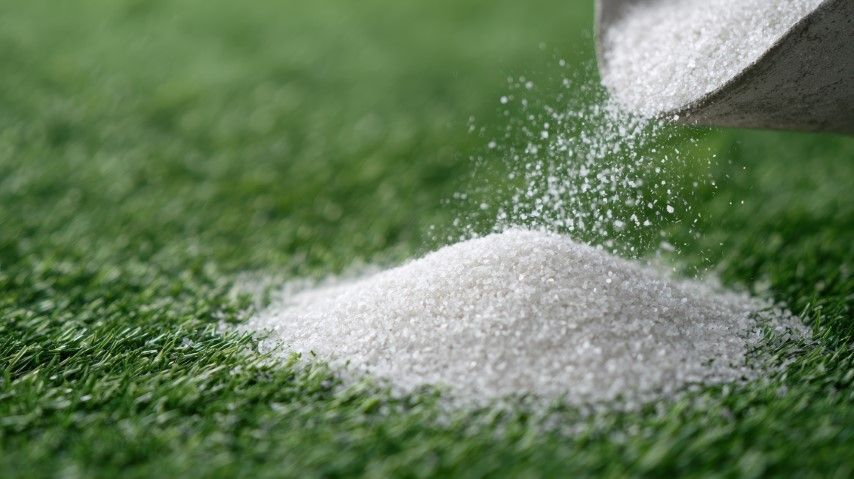
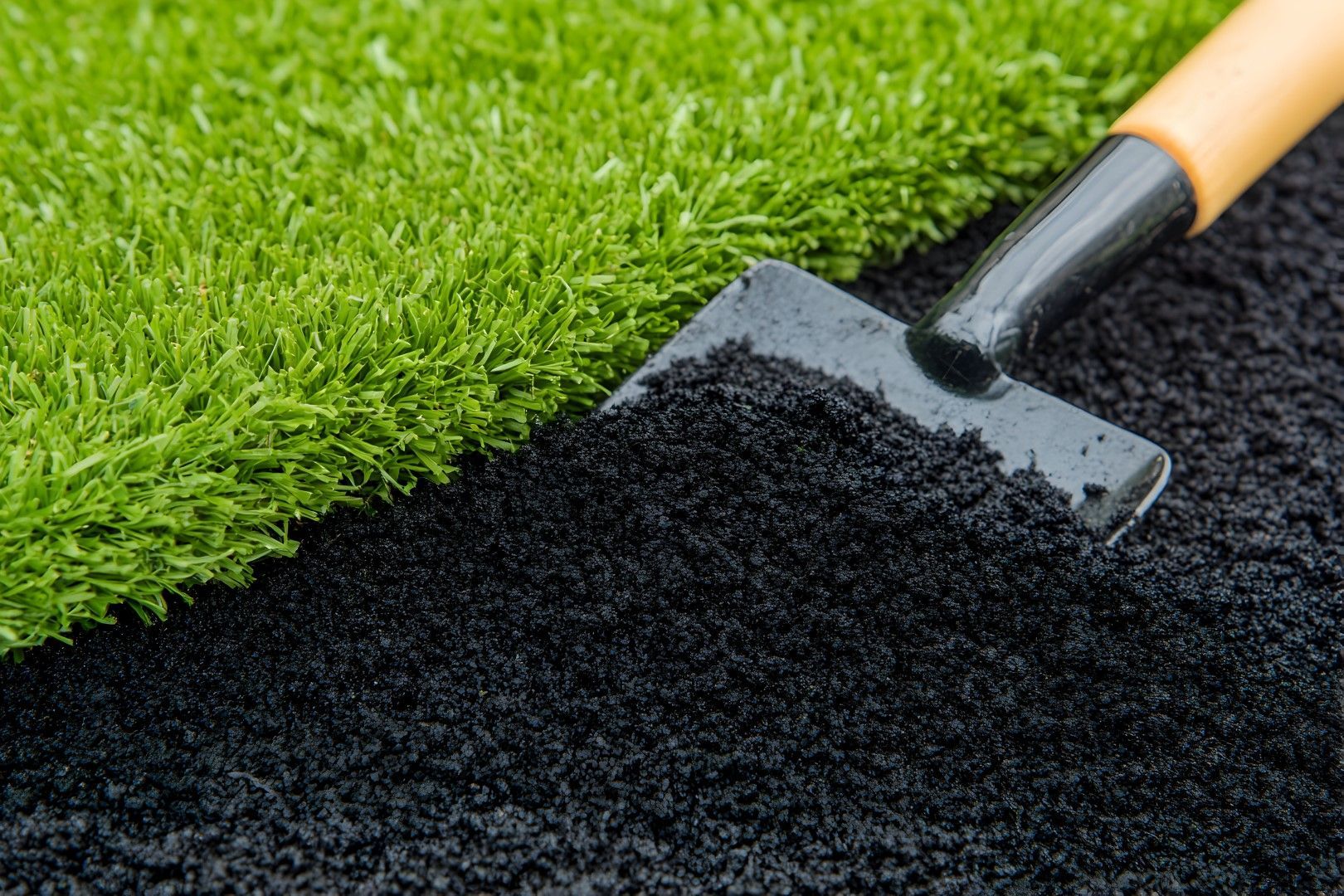
Infill is a granular material spread between the blades of synthetic grass during the final stages of a professional installation. While often invisible to the eye, this component serves as the structural backbone that allows a lawn to function like natural sod.
Without the proper application of infill, a synthetic lawn is essentially just a carpet pinned to the ground. Integrating this layer is what transforms a simple aesthetic upgrade into a durable, high-performing outdoor surface that can handle years of activity.
Maintaining Upright Blade Structure
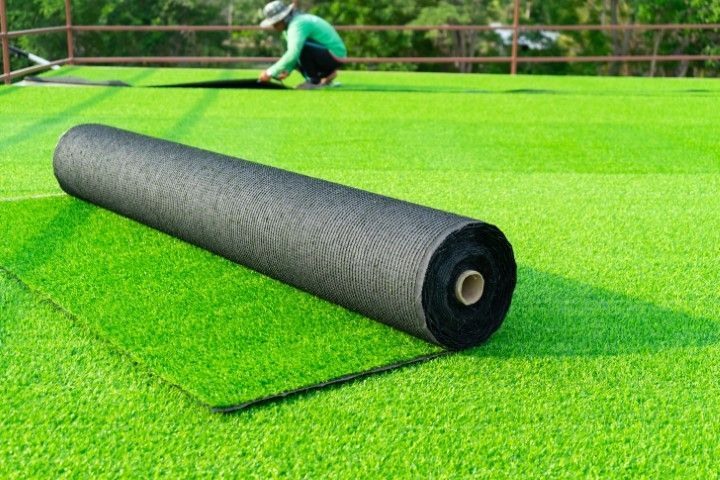
Synthetic grass blades naturally want to lay flat after being manufactured and rolled up for shipping. Infill acts as a supportive cushion at the base of each fiber, forcing the blades to stand vertically for a more realistic appearance.
- Choose a grain size that matches the density of your turf to provide maximum support without clumping.
- Apply the material evenly to prevent some areas from looking "matted" while others remain upright.
- Brushing the turf after application helps the granules settle deep into the thatch layer for consistent lift.
This structural support ensures your lawn looks lush and freshly manicured even after people or pets walk across the surface.
Providing Essential Ballast and Stability
The sheer weight of the infill provides the necessary ballast to keep the turf securely anchored to the sub-base. This heavy layer prevents the fabric from shifting, rippling, or expanding and contracting during extreme temperature changes.
- Use a high-quality silica sand or coated granulate to add significant weight across the entire square footage.
- Focus on heavy-traffic areas where the risk of the turf "creeping" or moving is highest.
- Ensure the infill is distributed all the way to the edges to prevent the perimeter from lifting.
By weighing down the system from the top, infill keeps the installation tight and flat, regardless of the weather.
Protecting the Primary Backing
The primary backing of synthetic turf is the fabric into which the grass fibers are tufted, and it is vulnerable to damage from ultraviolet rays. Infill covers this backing completely, acting as a protective shield against the sun and physical abrasion.
- Select a UV-resistant infill to help dissipate heat and prevent the backing from becoming brittle over time.
- Maintain the correct infill depth to ensure that no part of the black backing material is exposed to direct sunlight.
- The layer also prevents shoe soles or pet claws from coming into direct contact with the structural mesh.
This protective barrier effectively doubles the lifespan of the turf by preserving the integrity of its foundation.
Enhancing Drainage and Cooling
Modern infill options are designed to facilitate the rapid movement of water through the turf system and into the base below. Some specialized materials also have the ability to retain moisture and release it slowly to keep the surface cool.
- Opt for rounded granules that won't clog the drainage holes in the turf backing.
- Consider antimicrobial coatings if the lawn will be used frequently by pets to manage odors and moisture.
- Evaporative cooling infills can significantly reduce surface temperatures during the peak of a hot summer day.
Effective moisture management keeps the lawn sanitary and comfortable for bare feet even in the height of July.
Impact Absorption and Foot Traction
Walking on a synthetic lawn should feel springy and secure, much like walking on well-maintained natural grass. Infill provides a layer of shock absorption that protects joints and offers the traction necessary for running and playing.
- Adjust the infill volume to achieve the desired level of firmness or softness underfoot.
- Rounded infill particles provide a smoother feel and reduce the risk of skin "turf burn" during falls.
- Consistent infill levels prevent slippery spots and ensure a predictable surface for sports and games.
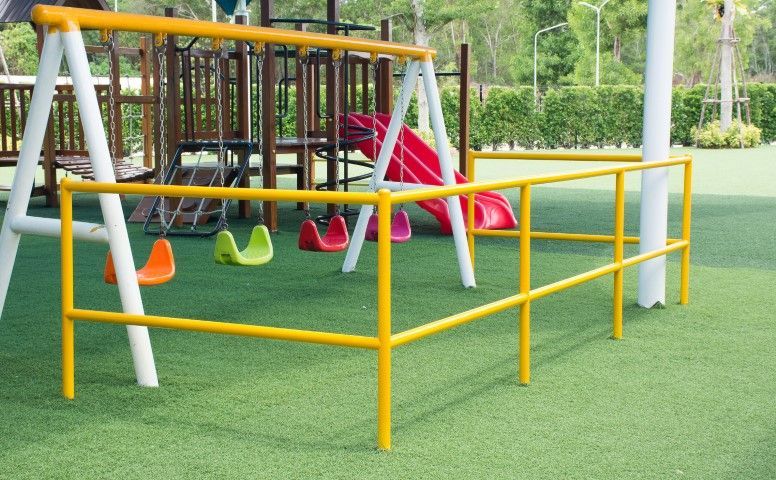
A well-filled lawn offers a safer environment for children and athletes by providing a stable and cushioned landing zone.
Maximizing Your Investment Through Proper Infill
Neglecting the infill phase is one of the most significant mistakes a property owner can make when switching to synthetic grass. It is the silent workhorse that ensures your landscape remains resilient, attractive, and functional throughout its entire lifecycle.
By selecting the right material and maintaining the proper levels, you guarantee that your lawn will stand the test of time. A fully integrated infill system is the final step in creating a world-class outdoor space that looks as good as it performs.