When Should You Replace An Old Weed Barrier During A Lawn Renovation?
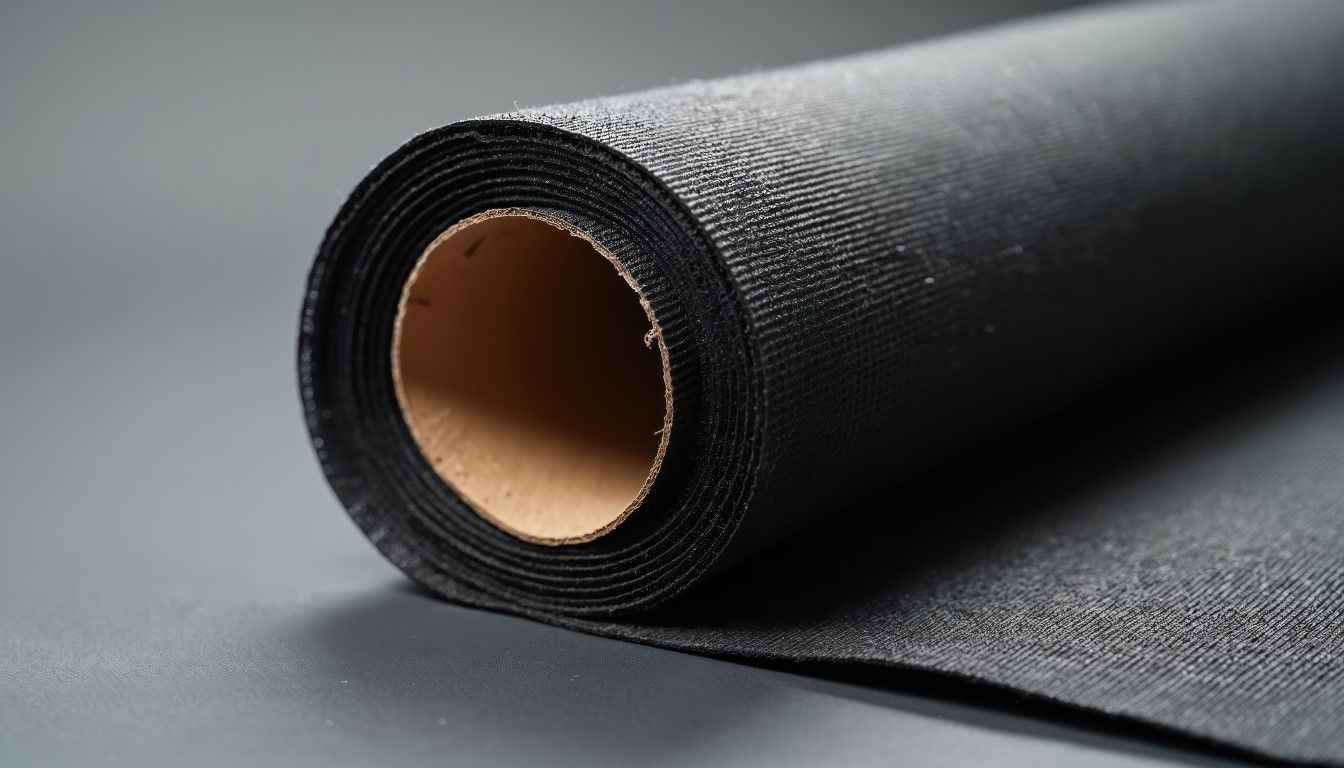
A high-quality weed barrier serves as the invisible defender of your landscape, preventing unwanted growth from disrupting your lawn's aesthetic. During a renovation, evaluating the condition of this layer is vital because a compromised barrier can lead to costly maintenance issues down the road.
Investing time in the foundation of your project ensures that your new grass or gravel remains undisturbed by aggressive root systems. Addressing the barrier now prevents the frustration of seeing weeds penetrate through your brand-new surface just months after completion.
Identifying Visible Decay and Material Breakdown
Over time, even the most durable landscape fabrics begin to fray, thin, or decompose due to soil acidity and microbial activity. If you pull back your current surface and see holes or thinning fibers, the material has reached the end of its functional life.
- Look for "skeletal" patterns where only the strongest fibers remain, leaving gaps for seeds to take root.
- Check for brittle sections that crumble or tear easily when handled during the excavation process.
- Inspect the edges for significant fraying that indicates the weave is no longer tight enough to block light.
Replacing a decaying fabric at this stage is a mechanical necessity to keep the soil beneath separated from your top layer.
Managing Persistent Invasive Root Penetration
When aggressive weeds or grasses have already punched through the existing fabric, the barrier is effectively bypassed and no longer serves its purpose. Once a root system establishes itself through the weave, it creates a permanent highway for future growth that is nearly impossible to stop.
- Assess if common invasive species have woven their roots directly into the fabric mesh.
- Determine if removing the weeds leaves behind large punctures that compromise the barrier's integrity.
- Clear out any "volunteers" that have grown from underneath rather than from wind-blown seeds on top.
If the old barrier has been breached, laying a new, puncture-resistant layer is the only way to reset the clock on weed prevention.
Correcting Poor Drainage and Silt Buildup
A weed barrier that has become "blinded" by silt and fine soil particles will no longer allow water to pass through to the subsoil. This leads to standing water and surface rot, which can destroy the look and health of your new lawn renovation.
- Test the permeability by pouring water on the old fabric to see if it pools or drains immediately.
- Remove layers of "biofilm" or sludge that have accumulated on the surface of the fabric over the years.
- Ensure that the barrier isn't trapping moisture against the base of your installation, which can lead to mold.
Fresh fabric ensures that your drainage system works as intended, keeping the entire landscape dry and stable.
Upgrading During Major Grading or Excavation
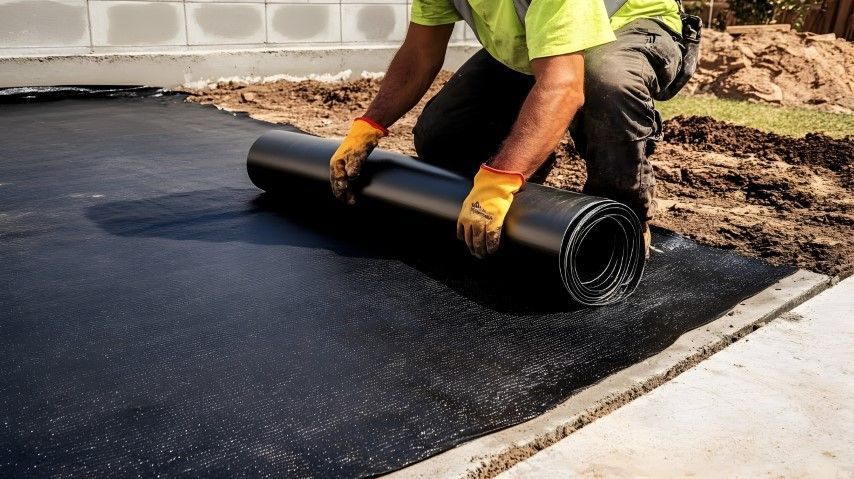
If your renovation involves changing the slope of your yard or digging out several inches of soil, the old barrier will likely be disturbed. It is far more efficient to install a modern, professional-grade barrier while the site is already cleared and the soil is exposed.
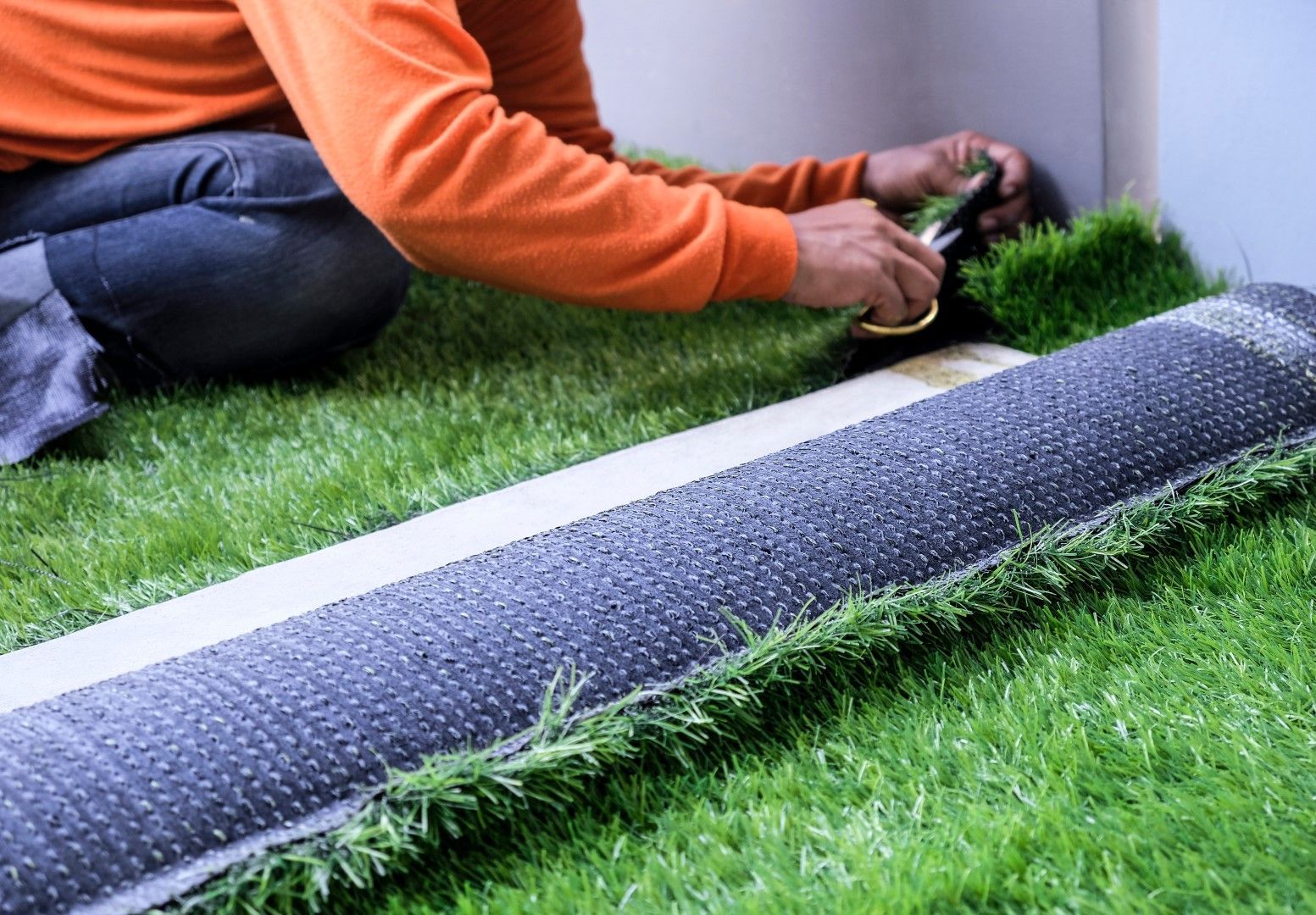
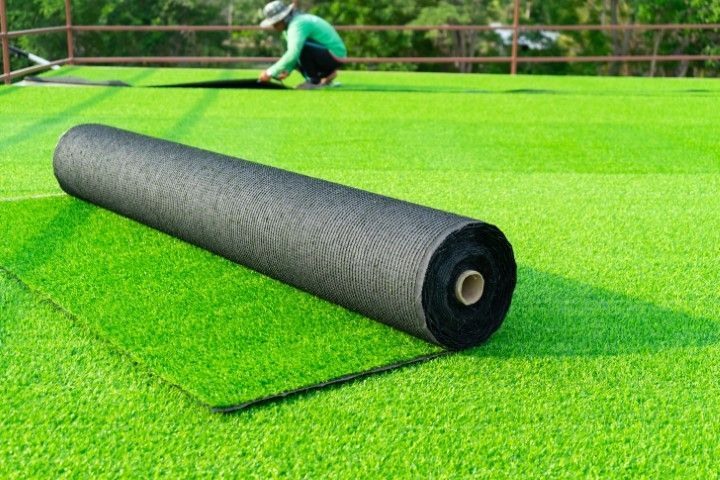
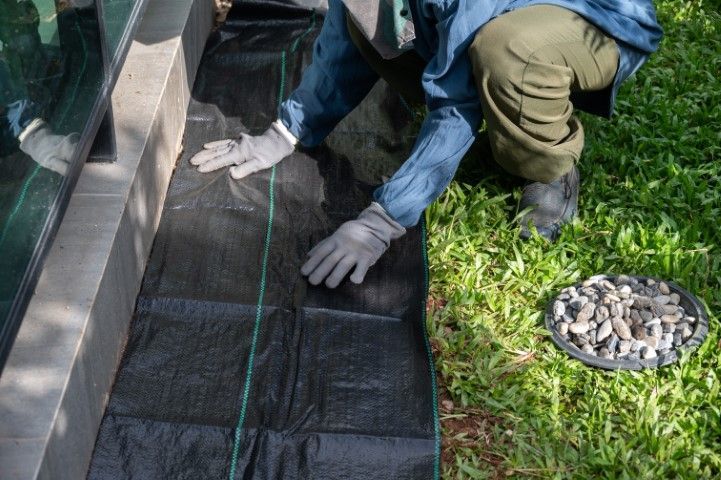
- Take advantage of the open ground to lay wider, seamless sheets that offer better coverage than old, patched sections.
- Upgrade to a higher-weight fabric that provides better stabilization for modern synthetic turf or heavy decorative stone.
- Overlap new sections by at least six inches to prevent gaps during soil settling or heavy foot traffic.
Starting fresh during the grading phase guarantees that the barrier is perfectly contoured to the new shape of your land.
Addressing Contamination from Organic Debris
Years of decomposing leaves, mulch, and dust can create a layer of "new soil" right on top of your old weed barrier. This organic buildup provides a perfect growing medium for weeds, rendering the barrier underneath completely irrelevant to the surface.
- Scrape away the layer of accumulated silt to see if the fabric is buried under more than an inch of debris.
- Evaluate if the old fabric is trapped in a "sandwich" of organic matter that will continue to sprout weeds.
- Clear the site down to the native soil to ensure the new barrier sits directly on a clean, sterile foundation.
Removing the old, contaminated layer ensures that your new installation starts with a completely clean slate.
Ensuring the Longevity of Your Landscaping Investment
Choosing to replace a questionable weed barrier today is a strategic move that protects the value and beauty of your property for the future. The relatively small cost of new fabric is a minor detail compared to the long-term labor involved in fighting recurring weed infestations.
A professional-grade foundation is the only way to achieve the true low-maintenance lifestyle that a lawn renovation promises. By installing a fresh, high-performance barrier now, you are securing a pristine outdoor space that stays beautiful with minimal effort.