Why Is A High-quality Weed Barrier Essential For Synthetic Grass Longevity?
Integrating a professional-grade weed barrier is a fundamental step in ensuring the structural and aesthetic success of a synthetic grass installation. This protective layer serves as a durable shield between the native soil and your new lawn, preventing nature from reclaiming the space.
Without this essential barrier, the longevity of your investment is at constant risk from aggressive root systems and soil shifting. A high-quality installation treats this layer as a non-negotiable insurance policy for the future of your outdoor living area.
Preventing Invasive Root Penetration
Aggressive weeds and native grasses have the remarkable ability to push through even the most compacted sub-bases and drainage holes in turf backing. A high-quality barrier is specifically engineered to block this upward growth, ensuring your lawn remains smooth and puncture-free.
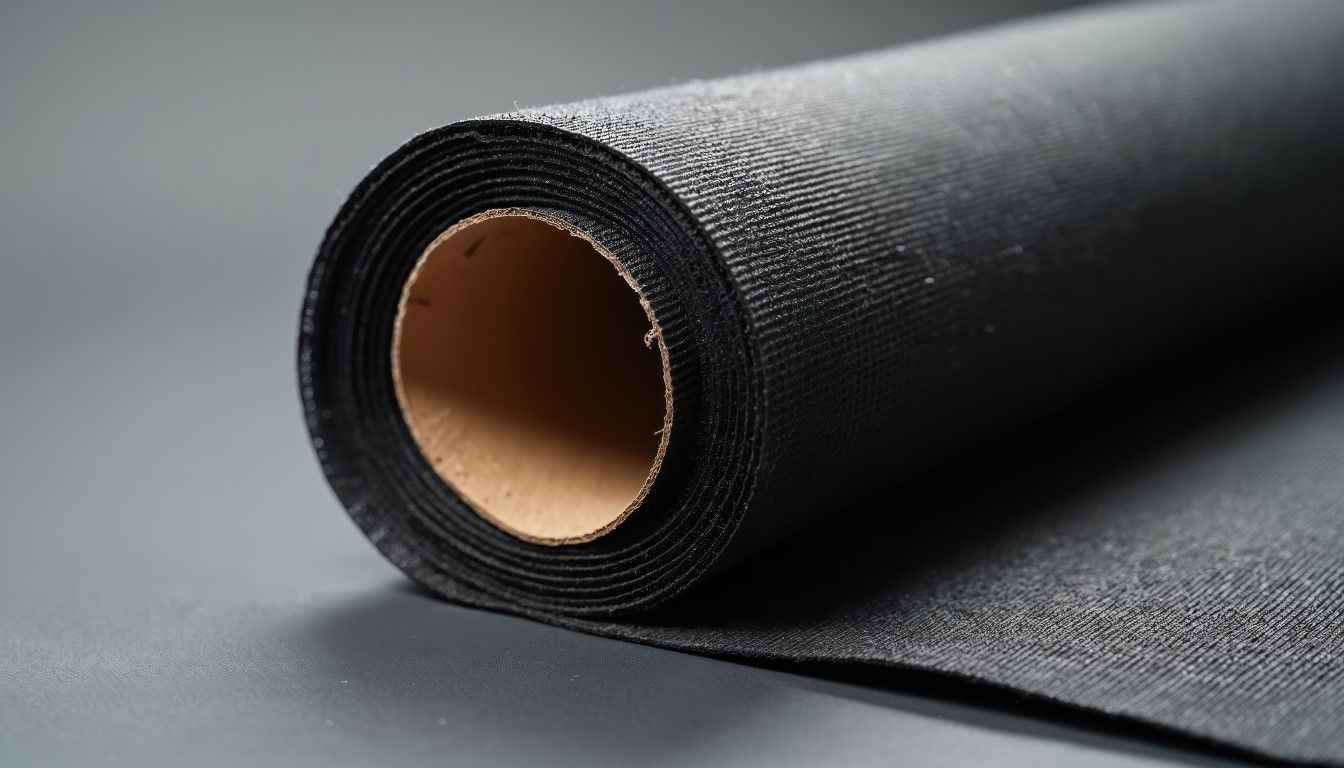
- Select a heavy-duty geotextile fabric that is rated for high puncture resistance to stop tough weeds like crabgrass.
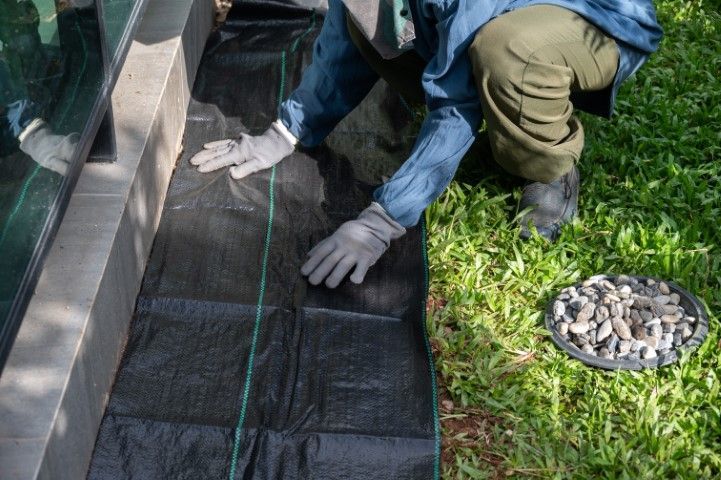
- Ensure total coverage of the excavated area to prevent any "leakage" of vegetation at the edges of the project.
- Focus on overlapping seams significantly to create a continuous wall that roots cannot navigate around.
By stopping growth at the source, you eliminate the mechanical damage that roots can cause to the expensive backing of your synthetic turf.
Protecting the Integrity of the Sub-Base
A major threat to the lifespan of a synthetic lawn is the mixing of native soil with the clean aggregate materials used for the base. The weed barrier acts as a stabilization layer that prevents these two different materials from contaminating each other over time.
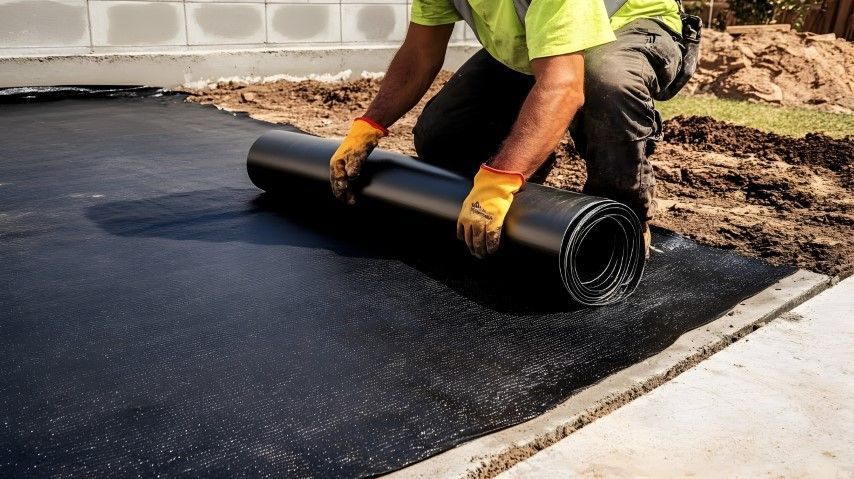
- Lay the fabric directly onto the sub-grade to keep the crushed stone base from sinking into soft underlying mud.
- Maintain a clear separation that prevents "fines" from the soil from clogging the drainage pores of your aggregate.
- Use the barrier to provide a consistent tension across the yard, which helps distribute weight more evenly.
This separation ensures that the foundation remains rock-solid and level, preventing the dips and valleys that often lead to premature turf replacement.
Enhancing Efficient Drainage Performance
Quality weed barriers are designed with advanced permeability that allows water to flow vertically into the water table without restriction. This prevents the accumulation of moisture at the base of the turf, which can lead to mold, mildew, and the breakdown of adhesives.
- Choose needle-punched fabrics over solid plastic sheets to ensure that every square inch of the lawn breathes.
- Verify that the flow rate of the fabric matches or exceeds the drainage capacity of the turf itself.
- Prevent the buildup of stagnant water that can attract pests or create foul odors within the thatch layer.
Maintaining a dry, well-ventilated system is key to preserving the chemical and structural bonds of the synthetic grass fibers.
Mitigating UV Damage and Thermal Stress
While it is hidden beneath the surface, a weed barrier contributes to the overall thermal stability of the installation. It provides an additional layer of insulation that protects the primary backing of the turf from the harsh temperature fluctuations of the soil.
- Select UV-stabilized fabrics that will not become brittle or decompose if exposed to sunlight during the installation process.
- Use the barrier to help dissipate heat absorbed by the turf, protecting the sub-base from extreme thermal expansion.
- Ensure the material is thick enough to provide a physical buffer against the friction caused by the expansion of the ground.
By regulating the environment beneath the grass, the barrier helps the turf maintain its shape and flexibility for many more seasons.
Reducing Long-Term Maintenance Labor
The ultimate goal of switching to synthetic grass is to enjoy a low-maintenance lifestyle, and a weed barrier is the primary tool that makes this possible. It virtually eliminates the need for chemical herbicides or manual weeding, which can inadvertently damage the synthetic fibers over time.
- Block sunlight from reaching the soil to prevent the germination of dormant seeds that have been buried for years.
- Create a sterile environment that is less attractive to burrowing insects and small garden pests.
- Protect the infill material from being contaminated by organic soil, which can eventually lead to surface-level weed growth.
A proactive approach to weed prevention saves hundreds of hours in labor and ensures the lawn looks pristine with minimal effort.
Securing the Future of Your Outdoor Sanctuary
Choosing a high-quality weed barrier is the most cost-effective way to guarantee that your synthetic lawn remains a beautiful and functional asset. This invisible layer is the silent guardian of your property, working 24/7 to maintain the perfection of your landscape.
When you invest in the best foundational materials, you are choosing a landscape that will stand the test of time and weather. Enjoy the peace of mind that comes with a professionally protected lawn that looks spectacular for decades to come.